
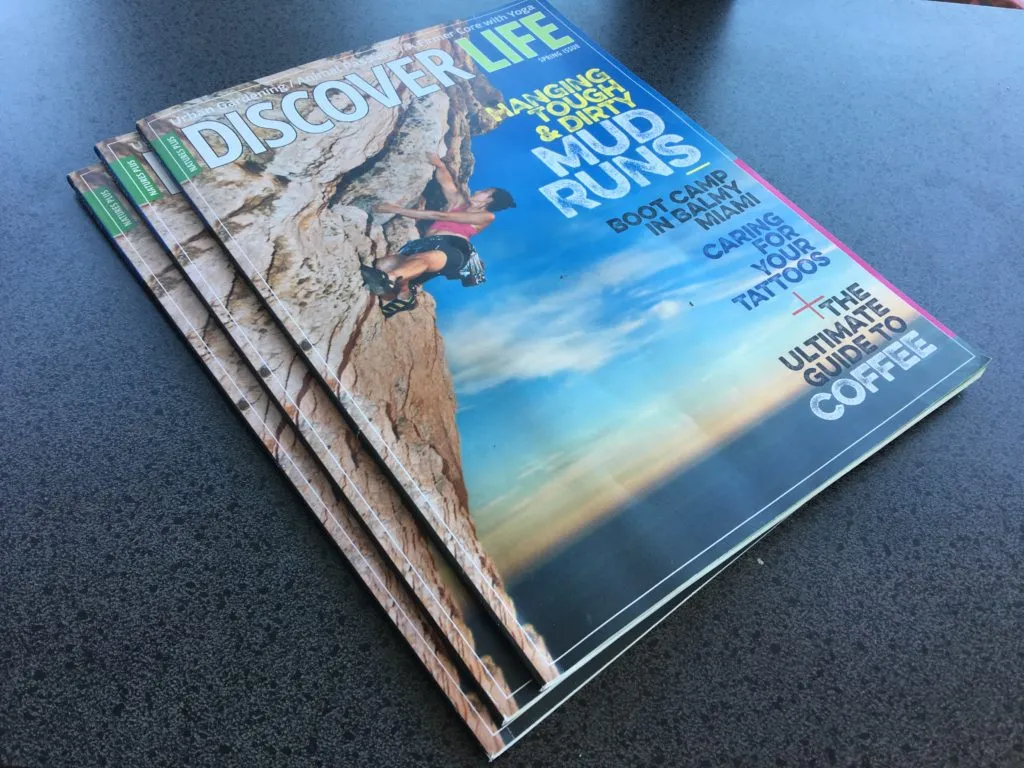
What Is Perfect Binding?
Perfect binding is an adhesive binding method that produces softcover books with a flat, squared spine. Printed pages are gathered into a book block, the spine edge is roughened, and hot-melt or reactive adhesive is applied to bond the pages to a wraparound cover.
The result is the familiar paperback format used for novels, catalogs, magazines, manuals, and directories. Perfect binding is cost-effective for medium to high page counts and scales efficiently from short runs to production volumes.
What We Bind
Our perfect binding lines handle a wide range of commercial and publishing work:
- Softcover books and trade paperbacks
- Product catalogs and directories
- Annual reports and corporate publications
- Training manuals and technical documentation
- Magazines and journals
- Program guides and conference materials
We work with both offset and digitally printed sheets. If you are unsure whether your project is a good fit for perfect binding, send us your specifications and we will advise on the best method.
Specifications & Capabilities
- Adhesive types
- EVA hot-melt, PUR reactive
- Text block thickness
- 0.060–2.3125 in. Books under 0.07 in. require sample testing
- Spine-to-face (trimmed)
- 2.75–11.75 in.
- Head-to-foot (trimmed)
- 4.25 in. minimum
- Spine grind allowance
- 1/16–1/4 in. Standard 1/8 in.
- Cover minimum flat width
- 8.5 in.
- Grain direction
- Parallel to spine
For detailed file preparation guidelines, see our perfect binding requirements.
Why Puget Bindery
- Equipment range: Multiple perfect binding lines let us handle short runs and high-volume production without compromising turnaround.
- 100+ years of experience: Three generations of bindery expertise since 1919. We know how materials behave on press and in the binding line.
- PUR and EVA adhesives: We select the right adhesive for your stock and application — not a one-size-fits-all approach.
- Pacific Northwest service: Based in Kent, WA, we serve commercial printers and publishers throughout Washington, Oregon, and the greater Pacific Northwest.
Need a hardcover option? See our case binding services. Want a UV-coated cover finish? Learn about Ultrakote UV coatings. Not sure which method is right? Read our binding method comparison guide.
How to Get Started
Ready to move forward with a perfect binding project? Here is what we need from you:
- Page count and finished trim size
- Paper stock for text and cover
- Quantity and delivery date
- File format: Print-ready PDFs preferred
Review our perfect binding file requirements for spine width calculations, bleed setup, and cover template details. Then request a quote — we typically respond within one business day.
Frequently Asked Questions
- What is the minimum page count for perfect binding?
- We can perfect bind books with as few as 64 pages (16 sheets). Thinner books may not develop enough spine width for adhesive to hold reliably — for those, saddle stitching is usually a better fit.
- How long does a typical perfect binding job take?
- Standard turnaround is 5–7 business days from receipt of print-ready materials. Rush schedules are available depending on our production calendar — contact us to discuss your timeline.
- Can you bind digitally printed sheets?
- Yes. We bind digitally printed sheets regularly. If your covers are printed with heavy toner coverage on the spine edge, let us know so we can select the right adhesive (PUR performs better on toner-heavy stocks).
- What is the difference between perfect binding and case binding?
- Perfect binding produces a softcover book with a flat spine — think paperback novels and catalogs. Case binding produces a hardcover book with rigid boards wrapped in cloth or printed material. We offer both methods. See our case binding services for hardcover options.
- Do you offer PUR adhesive?
- Yes. PUR (polyurethane reactive) adhesive provides a stronger, more flexible bond than standard EVA hot-melt. We recommend PUR for cross-grain work, coated stocks, and books that will see heavy use.