
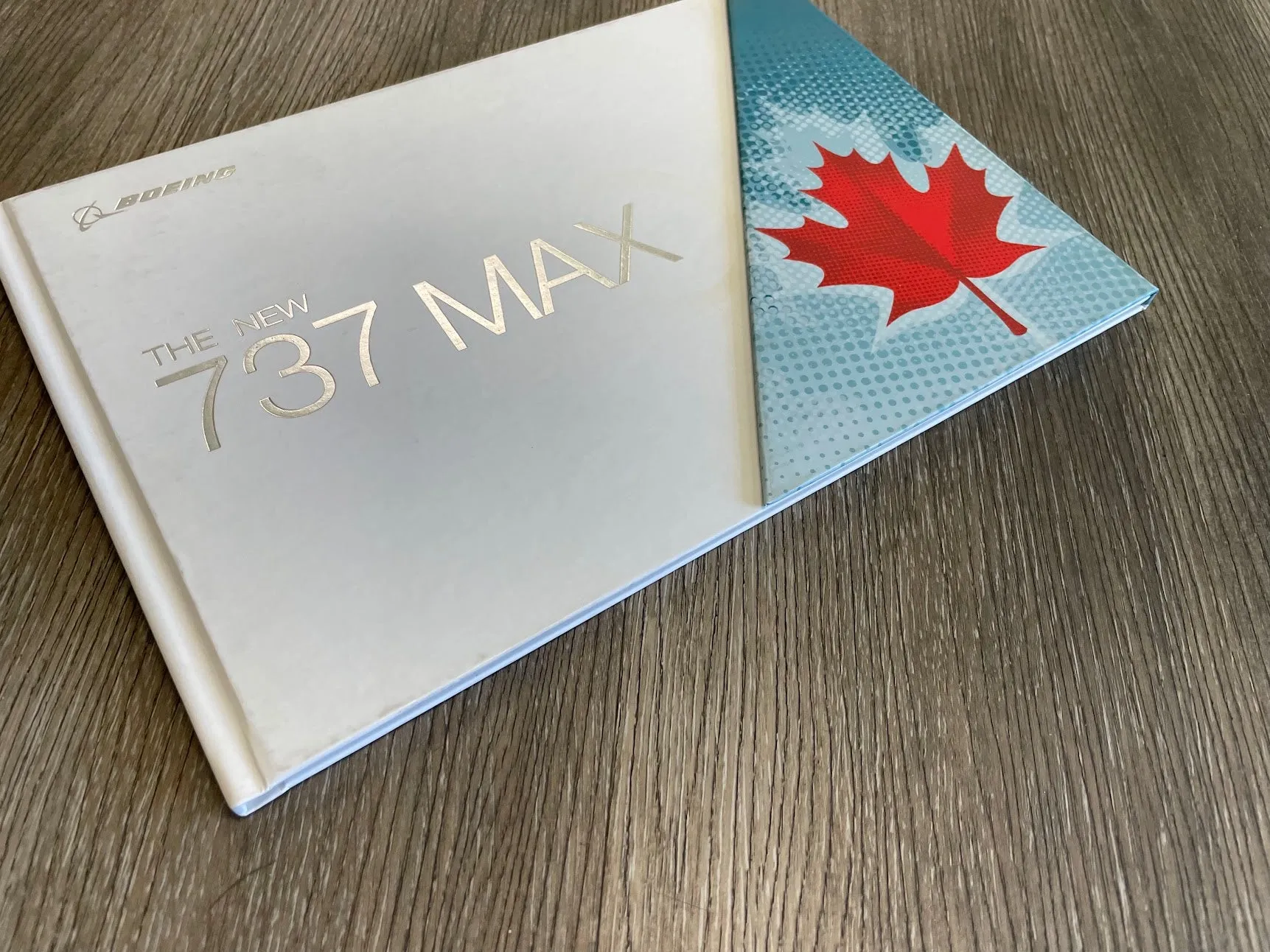
What Is Case Binding?
Case binding is the process of manufacturing hardcover books. Printed pages are folded into signatures, sewn or adhesive-bound into a text block, then attached to rigid cover boards wrapped in cloth, paper, or printed material. The result is a durable, premium-quality book with a structured spine and hard covers.
Case-bound books are built to withstand years of handling, shelving, and reference use. The method has been the standard for trade publishing, library editions, and archival-quality work for centuries.
Applications
Case binding is the right choice for publications where durability, presentation, and shelf life matter:
- Trade books and hardcover editions
- Limited editions and collector volumes
- Corporate annual reports and histories
- Memorial and commemorative books
- Reference volumes and encyclopedias
- Journals and academic publications
- Children's books
Options & Customization
Every case-bound book can be tailored to your specifications. Available options include:
- Cover materials: Book cloth, printed paper wraps, specialty papers, coated stocks
- Foil stamping: Metallic or pigment foil on covers and spines for titles, logos, and decorative elements
- Dust jackets: Printed wraparound jackets with optional flaps
- Ribbon markers: Sewn-in ribbon bookmarks in a range of colors
- Headbands: Decorative fabric bands at head and foot of the spine
- Endsheets: Printed or colored endpapers to complement the cover design
Want a UV-coated dust jacket? Learn about our Ultrakote UV coating services.
Case Binding vs. Perfect Binding
Both methods produce professional books, but they serve different purposes:
- Perfect binding produces a softcover book with an adhesive spine. It is cost-effective and well-suited for catalogs, manuals, and trade paperbacks. See our perfect binding services.
- Case binding produces a hardcover book with rigid boards and a sewn or notch-bound text block. It costs more but delivers superior durability, a premium look, and a longer shelf life.
Consider upgrading to case binding when your project demands prestige, heavy reference use, library circulation, or long-term archival quality.
Specifications & Capabilities
- Binding methods
- Smyth sewn, notch bound
- Cover construction
- Rigid board cases, wrapped in cloth or printed material
- Foil stamping
- Metallic and pigment foils on covers and spines
- Dust jackets
- Available with optional flaps
- Endsheets
- Printed or colored stock
- Accessories
- Ribbon markers, headbands
For questions about trim sizes, board thickness, or material compatibility, contact us with your project specifications.
Process & Timeline
Case binding involves more steps than softcover methods, and turnaround reflects that. Here is what to expect:
- Materials review: We confirm cover materials, foil dies, endsheets, and binding method before production begins.
- Case making: Cover boards are cut, wrapped, and stamped.
- Text block preparation: Signatures are folded, gathered, and sewn or notch-bound.
- Casing-in: The finished text block is attached to the case and pressed.
- Finishing: Dust jackets applied, final quality inspection, packing, and shipping.
Standard turnaround is longer than perfect binding or saddle stitching — plan for additional production time. Contact us early so we can schedule your project and confirm material lead times.
Why Puget Bindery
- Full case binding line: In-house case making, casing-in, and finishing equipment for complete hardcover production.
- 100+ years of expertise: Three generations of bookbinding knowledge since 1919.
- Short and long runs: From limited editions to full production volumes.
- Pacific Northwest service: Based in Kent, WA, serving publishers and printers throughout Washington, Oregon, and the greater Pacific Northwest.
Not sure if hardcover is the right fit? Read our binding method comparison guide to see how case binding compares to softcover options.
Frequently Asked Questions
- What is the minimum order for case binding?
- We do not enforce a strict minimum, but case binding involves more setup than softcover methods. Short runs are welcome — contact us with your quantity and specifications and we will provide pricing that reflects the work involved.
- Can you do short-run hardcover books?
- Yes. We regularly produce short-run hardcover books for publishers, corporate clients, and specialty projects. Our equipment and workflow can accommodate runs from dozens of copies up to production volumes.
- What cover materials do you offer?
- We work with a range of cover materials including book cloth, printed paper wraps, specialty papers, and coated stocks. Foil stamping on covers and spines is available in metallic and pigment foils. Contact us to discuss material options for your project.